• Skip to main content
  • Skip to primary sidebar
Logo_1
  • Home
  • Workshops
  • Blog
  • About
  • Contact

Mindfulness

How to Change Your Relationship to Stress

November 3, 2020 by Terre Passero Leave a Comment

Oh, how life has changed in 2020. And today the US is holding elections. In the midst of it all, are you finding ways to take care of yourself? I hope so. We are in it for the long haul. It’s especially important now to prioritize self care for our mental and physical well being. At the same time to recognize that these are challenging times (which we will get through), so go easy on yourself, be kind, do things that bring you calm, joy, energy.

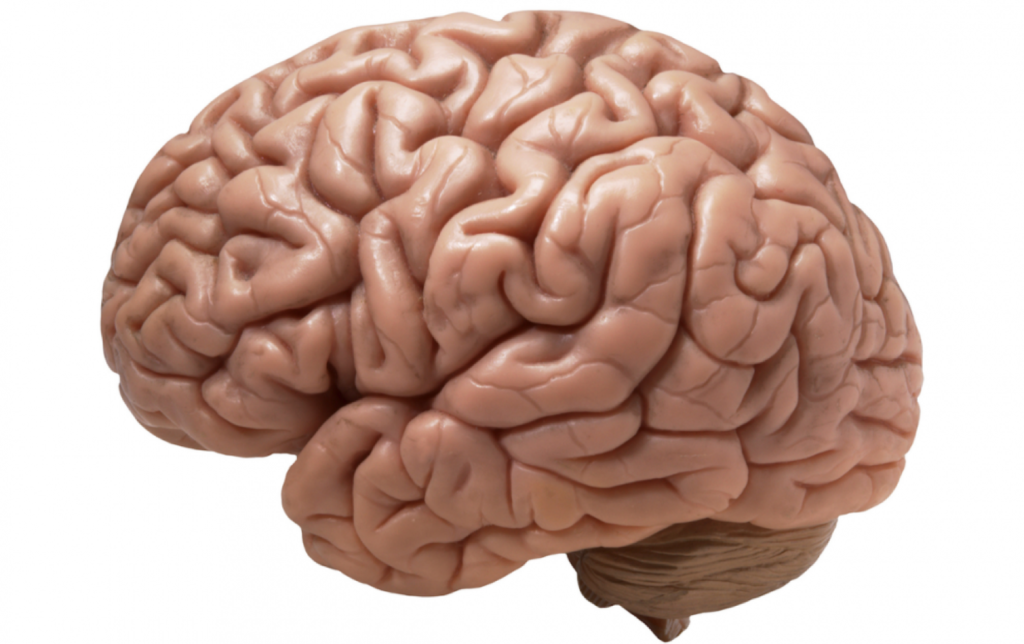
What you do, think about, and pay attention to consistently shapes your brain.
You are not alone.

I’ve worked with hundreds of people in organizations over the last 7 months. When I ask, “How has your life changed?” I hear the following over and over: no division between work and home; online learning for children (AND working full time from home) is horrible; unable to see elderly family members; death in the family; sick family members; fear of losing my job; no alone time; too much alone time; weight gain; can’t sleep; no energy; layoffs; loss of income; fear of losing my home; loneliness; no social life, and then once in awhile someone announces a wedding or a birth.

Of course we’re stressed!

The brain does not like uncertainty. This activates the stress reaction. And there is plenty of uncertainty, fear, grief to keep us in a state of chronic stress: COVID-19, our job, health, the world, the environment, politics, social justice. The body’s stress response is a natural reaction to perceived or real threats.

But remember that we have the capacity to interrupt the stress reaction, to make choices that calm the body and brain, and support our well-being. 

Simple Ways to Interrupt the Stress Reaction

  • take 3 conscious breaths, exhaling slowly
  • recall a pleasant, safe experience or place
  • hum, sing, listen to music
  • take a hot bath
  • reach out to a friend
  • exercise
  • do yoga
  • firmly plant each foot on the ground
  • shake your legs
  • stretch your upper body
  • do a few pushups against a wall
  • aromatherapy
  • spray yourself with fine water mist
  • recognize safety in the moment
  • give yourself a hug

Remember that you can cultivate calm within so you can better take care of yourself and those around you. It’s good for your health!

Steady, easy does it. 


Pause overlooking the Pacific

Self-Assessment

These are 5 Key Behaviors to Support your Mental and Physical Health 
How are you taking care of each one?

Rate yourself from 1 – 5 for each item. 1 = weak, 5 = strong. Total it up, multiply by 2 to get a percentage.

_____ Sleep   
_____ Nutrition  
_____ Exercise / Movement 
_____ Rest / Recharge 
_____ Social Connection 

Identify those you rated 4 and give yourself credit, some appreciation. Keep it up! 🌟 For items you rated 1 or 2, no shame, no blame. Consider what you can do to strengthen those behaviors. For example, if you’re not sleeping well, you can do something relaxing before going to bed – a bath, soothing music, a few deep breaths. Catching up on the news, however, is pretty certain to activate the stress reaction. 


It is up to you.
Small actions add up.
You matter
.

Rest and recharge the brain and body with this 5-minute POP practice: Pause, Observe, Proceed. Stepping away from the action for even a brief time can help calm the nervous system, sharpening focus and connection.

Filed Under: Uncategorized Tagged With: Mindfulness, relaxation, stress management

Mindfulness: 3 Common Misconceptions

June 5, 2019 by Terre Passero Leave a Comment

What do you think of when you hear the word mindfulness?

Over the past 10 years that I’ve been teaching mindfulness-based stress management, I’ve heard a number of misconceptions about what mindfulness is. These misunderstandings can impair someone’s practice or desire to learn because people think they are “doing it wrong” for one reason or another. (e.g., “Oh, I’ve tried mindfulness but I can’t do it, my mind is too busy.” Exactly! It’s the nature of the mind to think. Thoughts are not an obstacle to mindfulness.) 

Having a realistic understanding of what mindfulness is helps support the practice. 

3 Common Misconceptions of Mindfulness 

Misconception 1: The goal is to empty the mind of thoughts.

That is like asking a bird not to fly. Our minds are meant to think. We have tens of thousands of thoughts a day. Mindfulness helps us cultivate the ability to be aware of our thoughts as they are, not to empty our mind of thoughts. We learn to rest our attention on a primary object of attention (sounds, breath, body sensations, or everyday things like brushing our teeth), noticing thoughts, and guiding our awareness back to the object of attention.

We may start noticing our wandering mind, or our habitual thinking that is not serving us. We can then consider which thoughts we want to feed, and which we want to weed.

Misconception 2: It takes too much time.

group meeting circle

Mindfulness can happen in an instant. Purposely placing our awareness on the moment at hand is a moment of mindfulness. A mindfulness practice can simply be taking a conscious breath (or 2 or 3), feeling our body in a chair at meeting, feeling our feet on the ground as we walk to the water cooler, or bringing our full attention to a conversation. With that awareness, we allow what is there to be there and bring a feeling of curiosity, compassion, kindness.

Practicing mindfulness regularly, while doing everyday activities, or while taking a conscious pause a few times a day can help bring clarity, focus, and more creative problem-solving to deal with life’s everyday demands.

Misconception 3: It’s an end to stress and pain.

busy woman at computer

If we’re alive, we will experience stress and pain to varying degrees, AND we can learn new, beneficial ways to respond. The good news about stress is that the body’s reaction to stress can actually enhance our performance and/or save our life. Chronic stress, however, can impair performance, clarity, and jeopardize our health.

Mindfulness helps us look at how we respond (rather than react) to stress. It helps us learn to notice when stress is arising, so we can take action to intervene as necessary. We can take action when stressed (or preparing for a stressful situation), so we can build stress resilience, endurance, self-regulation.

_______________

To learn more:

  • Workshops for you and your Organization
  • Schedule a free 20-minute Chat with Terre Passero, founder of Mindful Stress Management
  • YouTube for guided mindfulness practices and talks about stress, the brain, and the body
  • LinkedIn

Filed Under: Blog Tagged With: Mindfulness, Stress, stress management

Holiday Stress Busters: 5 Tips

November 8, 2018 by Terre Passero 6 Comments

It’s that time of year again! Autumn and . . . oh no, the holidays! How did they get here again, so quickly?!

This time of year is a mixed bag for me. I love the short days and long, cozy nights, the cool, fresh air, the colorful leaves floating from the trees, the deep blue sky. But then there are the holidays. The hustle and bustle begins to rumble; expectations rise. I’m not a huge fan, I admit. (Please, don’t hold it against me.) But I must contend with them — find the pleasure

I have to be careful to strike a balance between the quiet, contemplative time the season inspires in me and the social, celebratory nature that keeps things noisy and active. Even if you love the holidays, you still need to take care of yourself in the midst of it all. Our routines may change, we may travel, eat differently, see family members or others that we don’t see during the year. This can be both wonderful and sometimes challenging. Expectations are high, yet they may not (usually don’t) match reality.

It can help to pay a little extra attention to signs of stress and get ahead of them or manage them (manage ourselves) so we can stay healthy in mind and spirit. These tips can help.

Five Stress Busters

1. Take time to appreciate what you have; identify what’s working. Name it, take it in with all your senses. Appreciation activates brain regions associated with dopamine, a neurotransmitter that makes us feel good and makes us want more of the thing that made us feel good. So the appreciation loop feeds itself.

2. Take breaks to do what gives you joy and calm. What is it for you? A walk, exercise, singing, resting, breathing, drinking a delicious cup of tea, spending time with a child, a pet, a loved one, getting out in nature? Whatever it is, find a moment to cultivate self-care and to connect with yourself. It will help  you care for and connect with others as well. It’s cliche but true, the line you hear on planes, “put your own oxygen mask on before putting one on a child.” Well-being is a skill — we need to practice it!

3. Practice mindful eating, or a mindful bite. We may find ourselves sharing more meals with more people at this time of year. If overwhelmed, you can find a moment of calm and deep appreciation right at the table. Try taking a bite (or 2 or 3) with mindful awareness. Simply notice what’s on your plate. Is the food from a plant, an animal?  Notice colors, textures, smells, and even sounds. Notice putting food on your fork, lifting it to the mouth, chewing, tasting, and swallowing. And notice, if you’re like most of us, that there will probably be food on its way to the mouth while you’re still chewing! Smile at it all. Be easy on yourself.

4. Smile at someone you usually walk by — a cashier, a delivery person, a neighbor, a flight attendant, or any number of people we may see and even interact with, but don’t really acknowledge. See the humanity in others and share a smile. It matters. It makes both parties feel better. Smiling can reduce stress!

5. Reach out to someone you know who might be having a rough time. Say hello, offer your help, your time, a meal, a walk, a conversation. Listen fully and with an open heart. Sometimes that’s all it takes to help someone feel better, connected, cared for. The best present you can give is your presence! (OK, cliche, but I like it and believe it.)

holiday image with pine

_______________________________

Mindful  by Mary Oliver

Every day
I see or hear
something
that more or less

kills me
with delight,
that leaves me
like a needle

in the haystack
of light.
It was what I was born for —
to look, to listen,

to lose myself
inside this soft world —
to instruct myself
over and over

in joy,
and acclamation.
Nor am I talking
about the exceptional,

the fearful, the dreadful,
the very extravagant —
but of the ordinary,
the common, the very drab,

the daily presentations.
Oh, good scholar,
I say to myself,
how can you help

but grow wise
with such teachings
as these —
the untrimmable light

of the world,
the ocean’s shine,
the prayers that are made
out of grass?

 _______________________________

BONUS STRESS BUSTER  You made it to the end of the blog! Here is a bonus tip:

Take a break in the bathroom! (What?!) YES! Sometimes at a gathering or party, the only place you can be alone is the bathroom. If are feeling anxious, overwhelmed and just need to gather yourself, an easy exit is to make your way to the bathroom. Nothing unusual there. Then simply feel the breath moving in and out of the body. Take 3 slow cycles of breath. This can kick in the relaxation response and calm anxiety.

 _______________________________

May you find comfort, ease, love, and rest in the midst of the season. Be sure to take good care of yourself,  be gentle with yourself and others, and keep curiosity and gratitude alive!

_______________

To learn more:

  • Workshops for you and your Organization
  • Schedule a free 20-minute Chat with Terre Passero, founder of Mindful Stress Management
  • YouTube for guided mindfulness practices and talks about stress, the brain, and the body
  • LinkedIn

Filed Under: Uncategorized Tagged With: anxiety, holidays, Mindfulness, relaxation, stress busters, stress management

3 Benefits of Mindfulness

June 8, 2018 by Terre Passero 1 Comment

After sifting through 6,000 peer-reviewed articles on meditation and identifying 60 key, solid studies, Daniel Goleman, author and science journalist and Richard Davidson, neuroscientist, confirmed three benefits of mindfulness: focus, connection, resilience. They wrote about it in their book: Altered Traits: Science Reveals How Meditation Changes your Mind, Brain, and Body. And Goleman simplified it in a post: “3 Science-Based Benefits of Mindfulness“.

3 Key Benefits of Mindfulness

1. Sharpens focus so you can prioritize and attend to life with attention and clarity.

“Mindfulness strengthens concentration, and every related aspect of attention from keeping your mind on one thing amidst a sea of distractions, to being more present to what’s going on around you.” Daniel Goleman says in his article. The neural circuitry for selective attention of the brain can be trained. The pathways in the brain are reinforced by what we think about. Where our attention goes, energy flows.

2. Strengthens connection to yourself and others, enhancing emotional intelligence.

Goleman goes on to say, “A cousin of mindfulness, lovingkindness meditation, makes you more open to the needs of the people around you, and more likely to help them out. This kind of leadership builds great loyalty, so people will feel they want to do their best for you, and show up even when the pressure and stress are mounting. When I ask executives around the world to name the traits of the boss they have liked the most, kindness always comes up high on the list.”

3. Builds resilience so you can recover more quickly from events that may throw you off balance.

Challenges are a part of life — sometimes exciting and sometimes downright awful. Resilience is the capacity to recover quickly from challenges and difficulties. “Mindfulness and other kinds of meditation calm the amygdala, the brain’s trigger for anger, anxiety, and a host of similar disruptive emotions. The more you practice, the less reactive your amygdala becomes. And if you do get hijacked from time to time (and who does not?), you recover more quickly – the very definition of resilience.”

Of course, no amount of reading about mindfulness can replace experiencing it. Like strengthening a muscle, learning to play a musical instrument, or learning any new skill, we have to DO IT to feel the impact.

Try It! 

You can take baby steps to practice mindfulness. Choose one of the  practices below and try it for a week. Be curious, be consistent. Then try another practice for another week. Take what you like. Leave the rest. You can also do guided practices on my YouTube Channel. Go, try, subscribe.

Practice 1. Conscious Breathing:

At least once a day, take 3 conscious breaths – follow the inhalation in and the exhalation out. String three cycles of breath together. Try this at least once a day. You can link it to an everyday behavior, e.g., as you start your day, or lay down at night, or when you sit down to eat a meal.

Practice 2. Selective Attention: Every day, focus on one thing for a period of time (1, 5, 10, 15 minutes). It can be a simple task — responding to an email or text, talking with someone, taking a bite of food, walking. Focus, bring your attention to the task, stay with what you’re doing. Notice if there is a tendency to want to shift attention. When your attention does shift (and it will), kindly guide it back to the task at hand.

Practice 3: Notice Sensations in the Body: Our body is aware of things often before our consciousness is. So paying attention to sensations in the body is a way to connect to feelings, needs in the moment. Be aware of bodily sensations. Sensations can feel tight, warm, cool, pulsating, painful, pleasant, unpleasant. Notice, name it, allow it, let it go. You can identify a cue when you’re going to “tune in”, e.g., when you wake up in the morning, go to bed at night, get irritated or angry, sit down to eat, talk with a loved one, open your computer. As a result of what you notice, you may decide to take a walk, exercise, get some tea, redirect a conversation, rest. Listen with kind awareness.

***

 Guided practices on my YouTube Channel.

Filed Under: Blog, Uncategorized Tagged With: Mindfulness, mindfulness benefits, Stress, stress management

Kindness and Compassion

September 1, 2017 by Terre Passero Leave a Comment

Many people are in need at this time. From Texas to parts of India, Nepal, Bangladesh, Sierra Leone, and many places in between, there is massive flooding, loss of lives and homes.

Generosity is showing up from around the world in the form of donations, time, and various means of support, both large and small. That is the beauty in the midst of tragedy and suffering – people help without hesitation.

Simultaneously, there is deep human division, pain, and separation of another kind that is showing up here in the US and around the world. How do we see our common humanity amidst the political/human divide as well?

I don’t have the answer; however, I’m trying. I believe that action is required from all of us. Whatever that is for you, may it come from a place of loving kindness and compassion.

This does not mean complacency nor submission. But to be successful in our efforts to peacefully co-habitate this planet, I think we have to start from the roots – understanding our own fears, hopes, bias, anger. And perhaps we can extend that understanding to include all other humans. Perhaps a dialogue or an action follows with a family member, a neighbor, a politician.

I admit that I’m not there yet. It is difficult for me to have a calm conversation with someone who has extremely different political views than I do, values that are at the other end of the spectrum, values that feel oppressive. Rather than stay away from them, which is an option, how can I communicate more effectively, more openly?

I continue to return to acknowledging any fear, bias, anger in myself. And I pause to generate loving kindness – towards myself and others.

Loving Kindness Practice

Loving Kindness meditation is a tool I turn to.  In this practice, we’re cultivating an open and friendly connection towards ourselves and others. The intention is to offer good wishes and kindness by repeating some phrases quietly in our mind, such as, may you be healthy, may you be safe, may you live with ease, as you bring to mind different people, including yourself!

It’s a very old practice that now has research pointing to its benefits. Our brains change when we do loving kindness practices regularly. The practice increases positive emotions and decreases negative emotions, increasing life satisfaction.

I invite you to try my brief, 10-minute guided practice below.

May you be healthy and safe.

________________________

To learn more:

  • Workshops for you and your Organization
  • Schedule a free 20-minute Chat with Terre Passero, founder of Mindful Stress Management
  • YouTube for guided mindfulness practices and talks about stress, the brain, and the body
  • LinkedIn

Filed Under: Blog Tagged With: compassion, loving kindness, Mindfulness

Cooling Off in the Heat of the Moment

June 19, 2017 by Terre Passero Leave a Comment

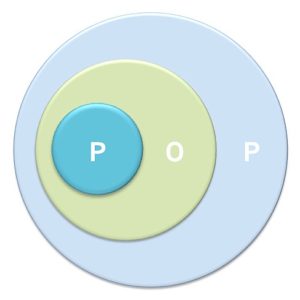
Finding calm amidst irritation, stress, or anger is challenging, but crucial for preventing relationship strain and project disruptions. Emotional regulation is key, enabling us to navigate intense moments skillfully and repair potential damage. In this blog, I introduce the POP Stress Now™ method – Pause, Observe, Proceed – as a quick and effective way to cool down and respond thoughtfully.

The Impact of Overwhelm

When overwhelmed, our cognitive functions (reasoning, concentration, discernment) suffer, making regrettable actions more likely. Whether it’s an outburst or a subtle gesture, these missteps can hinder trust and communication, affecting individuals, groups, and teams. So, before you say something you regret, or send an email you wish you could retrieve, or otherwise do something that hinders connection and trust, practice POP — Pause, Observe, Proceed – and avoid long-term negative consequences.

Mastering Emotional Regulation: A Guide to the POP Stress Now™ Method

This 3-step POP process can take as little as 30 seconds. And you can do it right where you are. It calms the nervous system that is naturally activated when we’re agitated, stressed, overwhelmed.

POP Stress Now: Pause, Observe, Proceed


  1.  PAUSE: Stop, take a moment, and become aware of your breath. Sense the breath moving in and out of the body. Three cycles of breath can help calm the nervous system.
  2. OBSERVE: Notice thoughts, feelings, and bodily sensations. Tend to what you notice with curiosity and kindness. Acknowledge and “name it to tame it,” following Dr. Dan Siegel’s advice.
  3. PROCEED: With a bit more connection, take the next step. It can be anything — responding to someone, working, eating, exercising, prioritizing your to-do list, getting a cup of tea, continuing to sit quietly, or whatever you decide is best for you now.

Try this POP Stress Now Recording!


Versatility of POP

POP isn’t just for heated moments; it’s a valuable tool for pre-meeting preparation, difficult conversations, presentations, or post-upset calming. You can even use it after moments of success or pleasure to fully savor the experience.

Practice a few times a day so it’s a familiar go-to tool. As you get more comfortable with it, you will be able to access it more easily during those inevitable heated moments.


Practical Application: My POP Story

A personal anecdote illustrates the power of the POP method. Feeling excluded from a crucial meeting, I was angry and hurt and on the verge of a confrontation. Through POP, I paused, acknowledged my emotions, and decided to take the classic “sleep on it” tactic. I decided to wait until the next morning to calmly talk with him. When the next morning arrived, however, I’d received his invite with an apology for inadvertently leaving me off the initial invitation. If I’d reacted the day before from my initial response of anger and hurt, the exchange would have been quite different.

______________________________________

Let’s Connect

  • Workshops for you and your Organization
  • Schedule a free 20-minute Chat with Terre Passero, founder of Mindful Stress Management
  • YouTube for guided mindfulness practices and talks about stress, the brain, and the body
  • LinkedIn

Filed Under: Blog Tagged With: emotional regulation, Mindfulness, pause, relaxation response

  • Page 1
  • Page 2
  • Go to Next Page »

Primary Sidebar

Blog Posts

  • Sleep Tips: Simple Habits for Better Sleep August 25, 2026
  • Not All Amputations Are Physical: Healing Emotional Pain July 26, 2025
  • Managing Election Stress: Meet the Moment With Care November 15, 2024
  • Reflect and Reset January 20, 2022
  • Same Storm, Different Boat July 3, 2021
  • How to Change Your Relationship to Stress November 3, 2020
  • 4 Steps to Manage Stress February 26, 2020
  • Season’s Greetings December 18, 2019
  • 7 Life Lessons from my 98-year-old Mother November 30, 2019
  • Recharging the Brain and Body September 14, 2019
  • Mindfulness: 3 Common Misconceptions June 5, 2019
  • Holiday Stress Busters: 5 Tips November 8, 2018
  • Practice the Relaxation Response October 12, 2018
  • Living a Dynamic Life September 7, 2018
  • The Power of Breath August 8, 2018
  • 3 Benefits of Mindfulness June 8, 2018
  • 3 Tips to Manage Stress November 22, 2017
  • Kindness and Compassion September 1, 2017
  • Cooling Off in the Heat of the Moment June 19, 2017
  • Getting to Know your Stressors October 27, 2016

Sign up for free ebook: POP Stress Now

Be Inspired

"You can't stop the waves, but you can learn to surf."

—Jon Kabat-Zinn

"Follow effective action with quiet reflection. From the quiet reflection will come even more effective action."

—Peter Drucker

With mindfulness we are "developing a mind that can walk evenly over uneven ground."

—Rick Hanson

“Most people do not listen with the intent to understand; they listen with the intent to reply.”

—Stephen R. Covey

"The quieter you become, the more you are able to hear."

—Rumi

"Wherever you are is the entry point."

-Kabir

Free POP Stress Now™ ebook!

Subscribe to receive practical tips, updates, and inspiring blog entries about stress management.

  • This field is for validation purposes and should be left unchanged.

Stay Connected

Stay in touch on LinkedIn, Facebook, Instagram, or YouTube.

© 2017 Mindful Stress Management. All Rights Reserved. Design by TWK Web and Print Design